







Search Results for: Sea Salt Grind
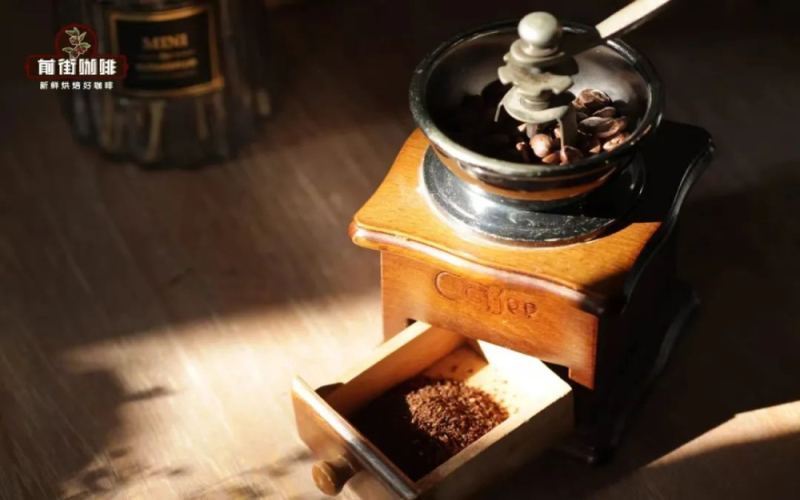
Coffee Grind Size Analogy Guide: Particle Size Correspondence Between Caster Sugar, Coarse Sugar, Sea Salt, Fine Salt, and Flour
There is no unified quantitative standard for coffee grinding, so enthusiasts often use everyday ingredients as analogies to quickly convey the concept of particle size. Common reference points like fine granulated sugar, coarse granulated sugar, sea salt, fine salt, and flour each correspond to different brewing methods and roast levels. This article goes through the particle size characteristics and suitable scenarios for each of these analogous grinds one by one: fine granulated sugar is mostly used for light-roast pour-over, coarse granulated sugar suits medium-dark roast beans, sea salt-like texture is suitable for immersion extraction methods like the French press, fine salt-like texture serves the fast-paced extraction of the moka pot, and flour-like texture is divided into two categories: espresso and Turkish coffee. The grind size described by each analogy is a range, not a single fixed value, and understanding this point helps with more flexible grind adjustment. [more…]
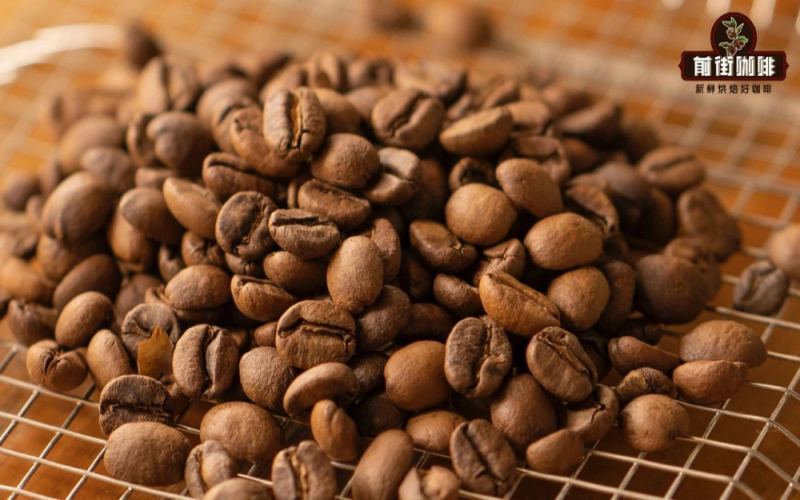
Starbucks Coffee Bean Grind Size Guide: A Complete Scale Analysis from Fine Sugar to Flour-Like Consistency with Brewing Recommendations
Bought Starbucks coffee beans but feel puzzled by the grinder settings? Grind size directly determines the success or failure of a cup of coffee. This article uses common everyday items like fine granulated sugar, coarse granulated sugar, sea salt, fine salt, and flour as analogies to help you quickly find the right grind size for pour-over, French press, moka pot, and espresso machine. Beans of different roast levels have different densities, so the same extraction method requires different grinds. Front Street Coffee will guide you through understanding the particle size range corresponding to each grind state, and why light-roasted beans need a finer grind while dark-roasted beans need a coarser grind, so you no longer have to agonize over grind size. [more…]
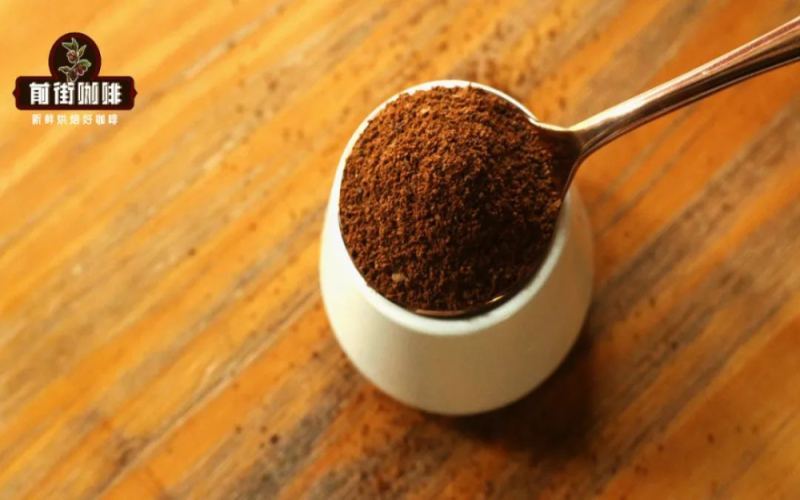
Pour-Over Coffee Grind Size Self-Test Guide: From Spice Analogies to Blind Tasting Practice
Among the many variables in pour-over coffee, grind size is often the hardest to describe precisely in words. Every enthusiast uses a different grinder, so when baristas communicate with customers, they usually have to rely on everyday seasonings as analogies. Although this approach has its limitations, it is an effective way to quickly establish a brewing framework. This article will systematically sort out the applicable scenarios for four grind reference points—fine salt, fine granulated sugar, coarse granulated sugar, and sea salt texture—and, using a natural-process red cherry coffee as an example with the MAVO Wizard 2.0 manual grinder, demonstrate how to gradually "blind-test" your ideal setting when faced with an unfamiliar grinder by observing the bloom pattern, drawdown time, and coffee grounds condition, helping you find your own cup of good coffee. [more…]
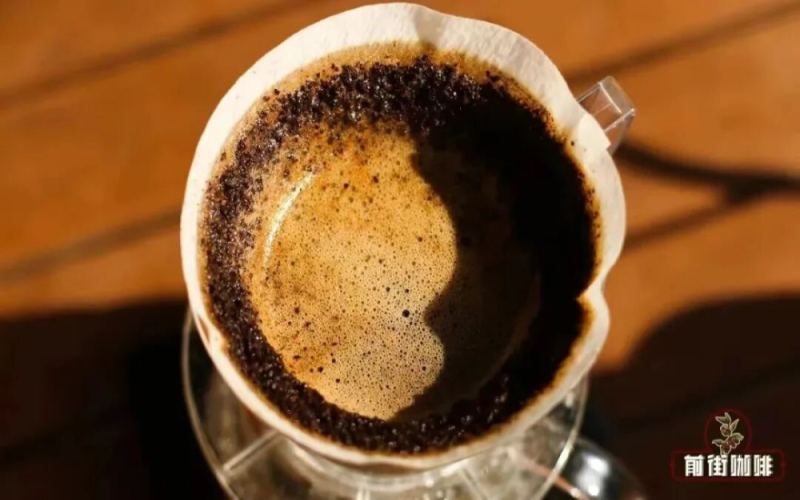
Complete Guide to Pour-Over Coffee Bed: From Muddy Bed to Crater Bed, Diagnosing Extraction Issues and Grind Adjustment Methods
The joy of pour-over coffee lies in its controllability, yet beginners often find it difficult to judge whether their brewing is done properly. Beyond tasting the flavor, the coffee bed left after brewing is also a mirror that can reflect many details such as grind size, pouring technique, and the speed of circling. An ideal coffee bed should form a uniform cone shape, with neat walls and loose, honeycomb-like granules. If the coffee bed appears muddy, sea-salt-like, uneven, flat-bottomed, or with断层, it suggests that extraction may have gone wrong. This article, drawing on Front Street's brewing recommendations, analyzes the causes and solutions for six typical coffee bed patterns one by one, helping coffee enthusiasts find directions for adjustment from the coffee bed and gradually improve the stability and flavor performance of their pour-over. [more…]
Indian Monsooned Malabar Coffee Bean Flavor Analysis: A Complete Guide to Monsoon Processing and Pour-Over Parameters
Indian coffee has gained fame in the specialty coffee world not through traditional fruity acidity and floral notes, but by taking a unique path with its distinctive "cured" flavor, among which Monsooned Malabar is particularly well known. This coffee originated during the age of sailing ship transport in the 17th and 18th centuries, when green beans absorbed sea moisture and salt in the lower holds of ships, unexpectedly transforming into a special flavor profile that was yellowish-brown and almost completely lacking in acidity. After the opening of the Suez Canal shortened the voyage, Indian exporters, in order to recreate the old flavor, used the salty, humid monsoon winds along the Malabar Coast from May to September and processed the beans for several months in monsoon warehouses, causing the green beans to swell and change color while developing a rich nutty, grainy tone and an aroma and mouthfeel reminiscent of genmaicha. During cupping, Front Street Coffee found that this bean carried caramel, raisin, and herbal notes along with a berry finish. This article will provide a complete analysis of its producing region background, processing method, cultivated varieties, roasting curve, and brewing parameters, offering coffee lovers a detailed reference guide. [more…]

Siphon Coffee Grounds Grind Size and Dosage Explained: Reference Grind Standards for Cold Drip, French Press, and Cold Brew
In coffee brewing, grind size is the key variable that determines the direction of flavor. The same coffee beans, when used in a siphon, cold drip, French press, or cold brew, require different particle coarseness and coffee doses because of their different extraction principles. This article systematically sorts out the coarseness standards and dosage recommendations for siphon coffee grounds, and compares the reference grind size ranges for cold drip, French press, and cold brew, helping you find the flavor balance point among different devices. The article also includes practical recommendations from Front Street Coffee; whether you are a beginner or an advanced enthusiast, you can find reliable parameter references here. [more…]
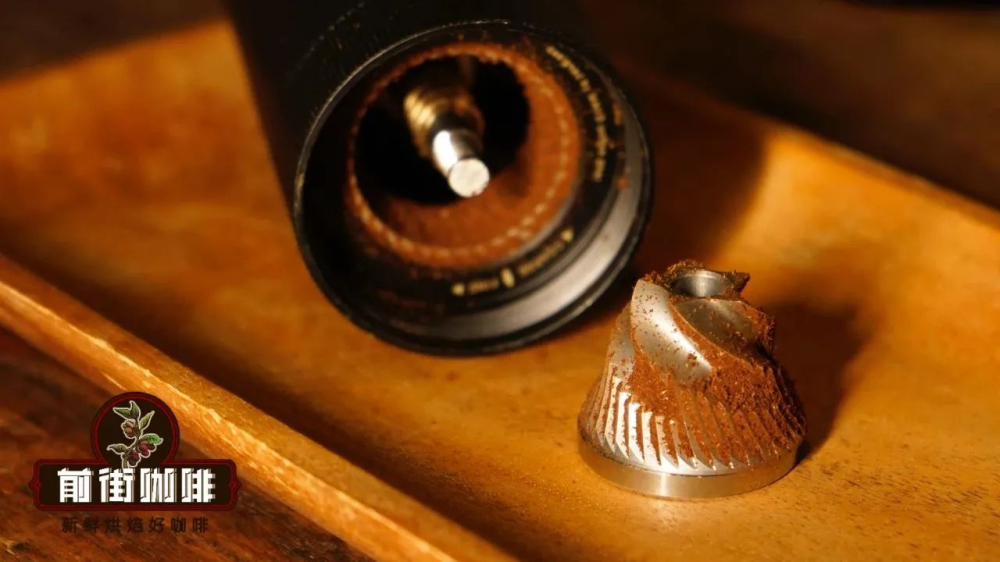
Coffee Grind Size Parameter Adjustment Tutorial | How to Judge Coffee Ground Coarseness? What Coffee Bean Grind Size Is Suitable for Pour-Over Coffee and Espresso?
Grinding is crucial to coffee extraction—one could say that the coarseness of the coffee grind directly affects the flavor of a cup of coffee. And for different extraction methods, the coffee grind size also needs to be adjusted. The coarseness of the coffee grind directly affects the length of extraction time and the level of extraction yield. Coffee grind [more…]
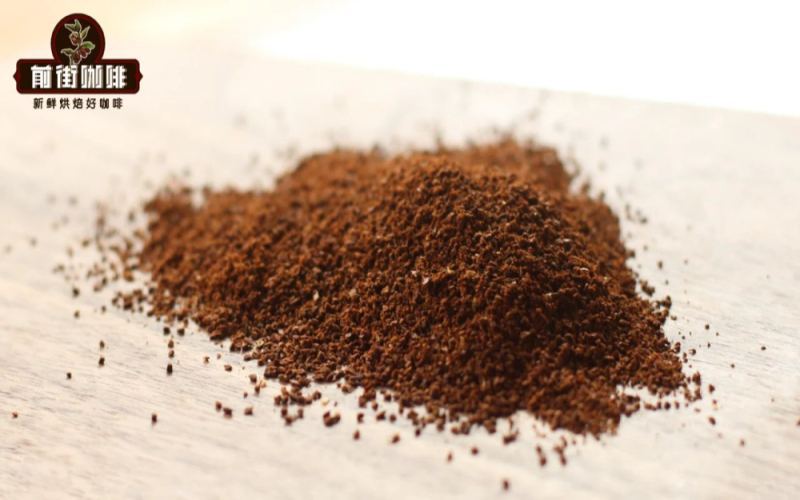
How Does Coffee Grind Size Affect Extraction? A Complete Analysis of Pour-Over and Espresso Parameter Adjustments
Grind size is one of the key variables determining coffee flavor. The finer the particles, the larger the contact area between hot water and coffee grounds, and the greater the resistance to extraction, which tends to prolong extraction time and increase the extraction yield; the coarser the particles, the opposite is true, and underextraction becomes likely. Different brewing devices have significantly different grind requirements, ranging from the flour-like extremely fine powder for a Turkish pot to the coarse particles for a French press, a very wide span. This article systematically sorts out the relationship between grind size, extraction time, and extraction yield, gives reference grind ranges for espresso and pour-over coffee, and, combined with Front Street Coffee's production experience, explains how to find a grind setting that suits you according to roast level and bean hardness, while also reminding you of the importance of daily maintenance of the grinder burrs. [more…]

Must-Read for Beginners: A Complete Guide to Pour-Over Coffee from Beginner to Mastery, with Brewing Logic
To make a delicious cup of pour-over coffee at home, you don't actually need to get bogged down in details like grind size, water temperature, or pouring technique right from the start. Drawing on the practical experience of Front Street Coffee, this article systematically lays out the definition of pour-over coffee, the essential tools, how to choose a coffee-to-water ratio, how to judge grind coarseness, and the complete three-stage pouring process. It also explores a deeper question: there is no such thing as a perfect brewing method for coffee—what you really need to learn is the logic of observing the extraction process and applying it flexibly. Whether you're a beginner just starting out or a veteran looking to sharpen your skills, you'll find practical reference here. [more…]
How to brew Tolima Monteverde Estate coffee beans? Wushwush natural flavor and pour-over iced pour-over parameters explained
Located in Colombia's Tolima region, Finca Monteverde presents a complex flavor profile of cinnamon, white florals, green grapes, tangerines, pomegranate, and dried cranberries through a custom natural-process batch of the Wushwush variety, finishing with a black tea aftertaste. The estate sits at 1,850 meters above sea level and is run by the Gutierrez family, whose cultivation history dates back seventy years. Today, they still insist on meticulous harvesting and temperature- and time-controlled fermentation throughout, allowing the coffee cherries to dry slowly on raised beds for up to 25 days. This article introduces the terroir background and variety story of Finca Monteverde, and includes Front Street Coffee's reference recipes for pour-over and Japanese-style iced pour-over, helping coffee enthusiasts recreate this bean's fruity character and clean texture at home. [more…]
An Analysis of the Monsoon Malabar Coffee Bean Process: Processing Flow, Flavor Characteristics, and Roasting & Brewing Guide
Monsoon coffee is a unique monsooned coffee from southern India, born from the historical accident of sailing ships transporting beans in the 17th and 18th centuries. The green coffee beans were exposed to the southwest monsoon winds for months in open warehouses, expanding in size and decreasing in acidity, developing a distinctive flavor reminiscent of nuts, grains, and genmaicha tea. Front Street Coffee's cupping has found that coffee beans from Asian origins are generally known for their full body, and this monsoon bean stands out with a prominent herbal note on the palate and an excellent full body. This article will comprehensively trace the origin story of monsoon coffee, its five-step processing method, and the physical changes in the green beans, along with Front Street Coffee's roasting curve and brewing parameter recommendations, to give you a complete understanding of this golden, acid-free coffee from origin to cup. [more…]
A Complete Guide to Coffee Grind Size: Seven Grind Levels, Their Brewing Methods, and Flavor Differences
The coarseness of coffee grinding directly affects the efficiency of extraction and the final flavor performance, making it one of the key variables that determine whether a cup of coffee is good or bad. From extremely coarse cold brew grinding to Turkish grinding as fine as flour, seven different particle sizes each correspond to the most suitable brewing equipment and methods. This article systematically sorts out the appearance characteristics of each grind size, the applicable scenarios, and why grinding fresh at home preserves flavor better than buying pre-ground coffee powder. It will also explain the taste problems that may arise from improper grind size selection, helping you quickly find the appropriate grinding parameters based on the equipment you have on hand, so that every cup of coffee can present the ideal layering of flavor. [more…]
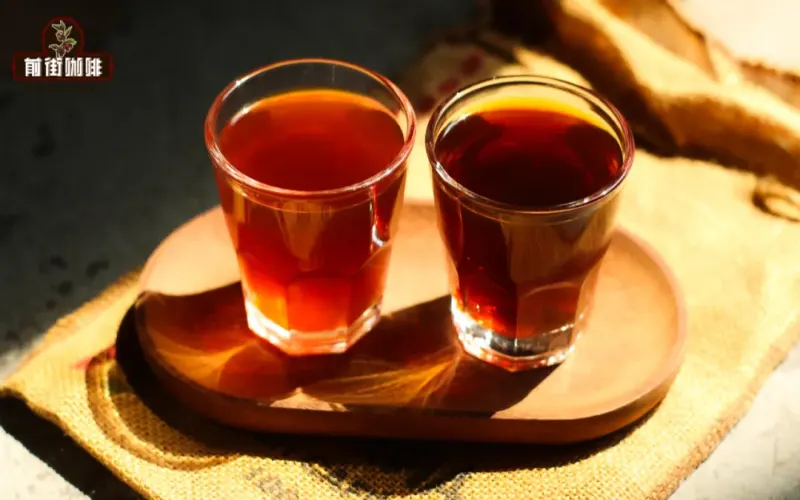
Cold Brew Coffee Essentials: Cold Brew vs. Ice Drip and the Science Behind the 8-Hour Extraction Time
Although the Start of Autumn has already passed, the heat in Guangdong shows no sign of letting up. The scorching 37°C weather still leaves people craving a refreshing, rich glass of cold brew coffee. But do you know what the key points are in making cold brew coffee? What exactly is the difference between cold brew and ice drip? Why does the extraction time have to be precisely 8 hours? This article will systematically lay out the complete knowledge of cold brew coffee from the perspectives of brewing principles, equipment selection, and extraction parameters, and compare the flavor differences between the two mainstream methods—cold brew and ice drip. At the same time, combined with Front Street Coffee's recommended products, it will help you make a more professional and better-tasting cold brew coffee this summer. [more…]
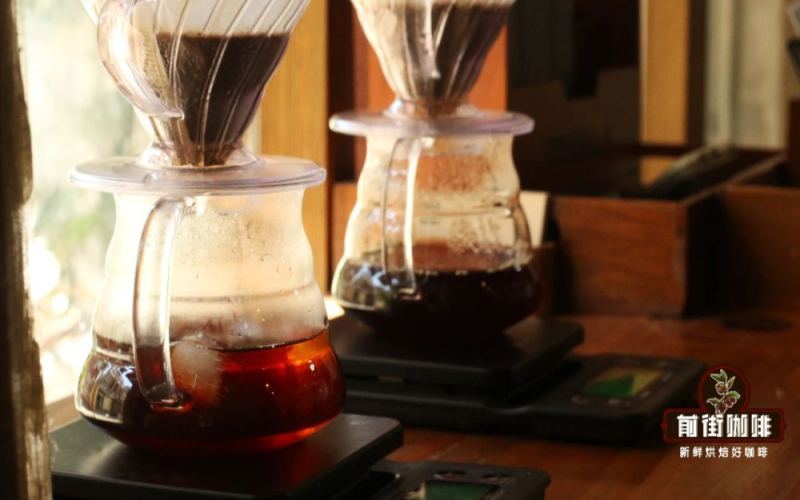
Pour-Over Coffee Beginner's Guide: A Full Breakdown of Coffee Bean Selection Logic and Equipment Setup
Pour-over coffee is both an extremely popular extraction method and a mainstream brewing technique that accompanies enthusiasts as they continue to advance. Drawing on the hands-on experience of Front Street Coffee, this article systematically covers the definition and origins of pour-over coffee, the essential equipment list, methods for determining the coffee-to-water ratio and grind size, and a detailed walkthrough of the complete three-pour process. Regarding coffee bean selection, it analyzes the flavors of the three major producing regions—Africa, Central and South America, and Asia—one by one, and offers recommendations based on the specific beans available at Front Street. Whether you are a beginner just getting into pour-over or an enthusiast looking to further understand regional flavors, you will find practical references here. [more…]

Hawaiian Kona Coffee Flavor Analysis: Island Growing Region Creates a Unique Aromatic, Non-Acidic Taste
Hawaiian Kona coffee is renowned for its rich, smooth flavor and mild acidity, which is closely related to the varietal characteristics of its island-growing region. This article begins with Front Street Coffee's introduction to the three major coffee varieties, then extends to Jamaica Blue Mountain, a classic representative of island coffee, analyzing the flavor performance of the Typica variety in low-altitude island environments. The article also provides a detailed record of the flavor profile of Front Street Blue Mountain No. 1 under medium-dark roasting, as well as the specific parameters and tasting impressions for making espresso and Americano with it, offering a reference for coffee enthusiasts to understand the unique charm of island coffee. [more…]
An analysis of the three major coffee varieties—Arabica, Robusta, and Liberica—and a complete overview of Jamaican Blue Mountain flavor
The world of coffee encompasses a vast array of varieties. From a botanical perspective, they can be grouped into three major categories: Arabica, Robusta, and Liberica. Among these, the first two dominate the global beverage market, while Liberica is rarely mentioned due to its scarce output or inconsistent quality. Arabica is mostly used for specialty and single-origin coffees, whereas Robusta is commonly found in instant products. However, this does not mean there is an absolute hierarchy between the two—choosing based on personal taste preferences is more reasonable. Jamaican Blue Mountain, as a representative of island coffees, belongs to the Typica variety derived from Arabica, and is renowned for its mild low acidity and medium body. This article will systematically outline the characteristics of the three major varieties and provide an in-depth introduction to the specific performance of Front Street Blue Mountain No. 1 in brewing and espresso extraction. [more…]
Why Is Kenyan Coffee Acidity So Strikingly Vivid? A Complete Analysis from Origin and Processing to Brewing
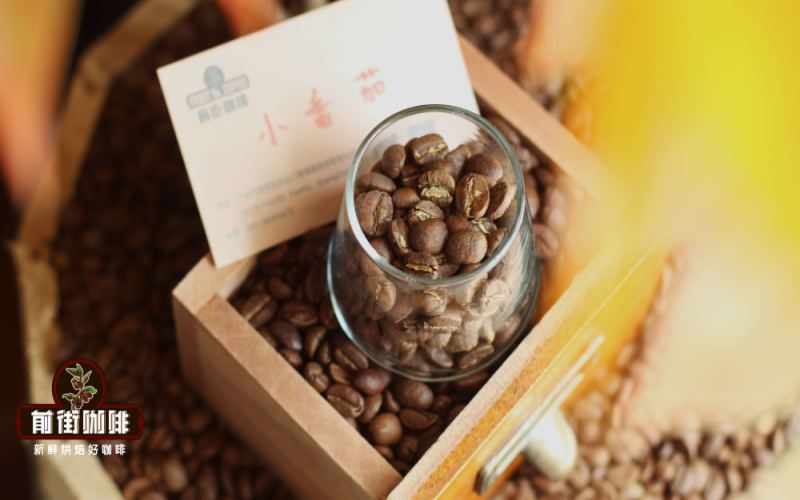
Kenyan coffee has always been known for its bright, uplifting acidity. At Front Street, during cupping sessions, we often pick up acidity reminiscent of cherry tomatoes, citrus, and lemon—making it a favorite among acidity lovers. Why is Kenyan coffee so acidic? Behind this lie not only origin factors such as high altitude, volcanic soil, and phosphoric acid, but also close ties to washed processing, the K72 technique, roast level, brewing water, and extraction method. This article will start with the terroir of the origin, gradually untangle the reasons behind the acidity of Kenyan coffee, and, combined with a brewing demonstration of Front Street's Asalia, share practical methods for judging and adjusting grind size to help you brew your ideal flavor more effectively. [more…]
Why Is Kenyan Coffee Acidity So Bright? A Full Analysis from Terroir and K72 Processing to Roasting and Brewing
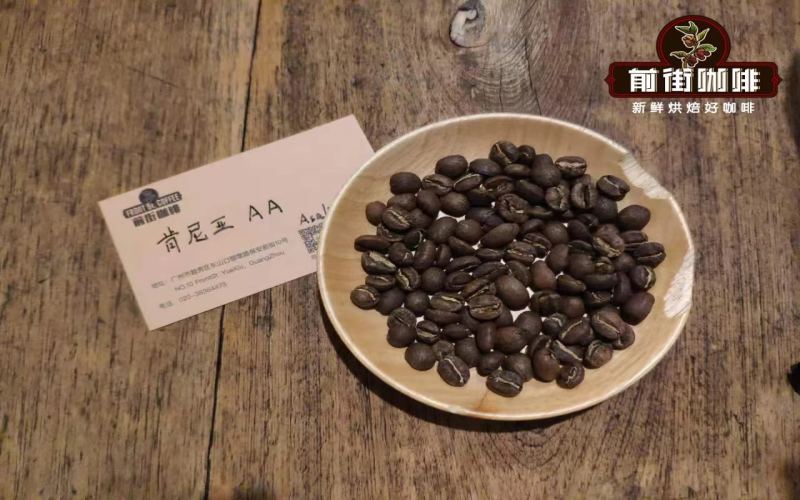
Kenyan coffee has always been renowned for its bright, striking acidity, and Front Street consistently captures notes of cherry tomato, citrus, and lemon-like tartness during cupping—truly a favorite among acidity lovers. What exactly gives Kenyan coffee such prominent acidity? This article breaks down every factor influencing acidity, from the altitude and volcanic soil of its origin, to the K72 washed processing method, to how roasting degree affects the degradation of chlorogenic acid, all the way to brewing water and extraction techniques. Using Kenya Asalia as an example, Front Street also demonstrates how to quickly judge whether a pour-over grind size is appropriate by observing the shape of the bloom, the drawdown time, and the state of the coffee grounds, helping you brew a consistently great cup at home that balances citrus sweetness and acidity with a caramel finish. [more…]

Mocha Coffee Drinking Methods and Bean Selection, with a Discussion of Moka Pot Usage and the Three Meanings of "Mocha"
The word "Mocha" has three identities in the coffee world: the Yemeni port of Mocha, the mocha drink in Italian coffee, and the moka pot found in countless homes. These three seem unrelated, yet each has had an impact on coffee history that cannot be ignored. This time, Front Street Coffee will sort out the meaning of these three mochas one by one: from how the Yemeni port of Mocha in the fifteenth century made "Mocha coffee" synonymous with high-quality coffee, to how Italians created the espresso-based mocha coffee to replicate the chocolate flavor of Mocha beans, and then to the invention of the moka pot and techniques for using it. The article will also share the moka pot brewing steps, coffee-to-water ratio, grind size standards, and the Brazil Queen Estate coffee beans that Front Street recommends for pairing with the moka pot, helping you brew a rich and full-bodied cup of coffee at home. [more…]
Bolivia Coffee Full Analysis: Specialty Bean Flavor Characteristics, Cultivation History, and the Rodriguez Family Geisha Java
Bolivia is celebrated as an ideal place for growing coffee, yet its annual output has long remained low, at one point even falling to the level of a minor coffee-producing country. And yet this land has given rise to a Geisha that won the favor of a World Barista Championship runner-up, as well as the Java variety known as Geisha's cousin. From the high-altitude terroir of the Yungas region, to the Tomorrow's Sun project promoted by the Rodriguez family, and on to innovative experiments with the cacao natural processing method, Bolivian coffee has carved out a winding yet fascinating path toward specialty coffee. Front Street Coffee will guide you through the origins, development history, varietal characteristics, and flavor profile of Bolivian coffee, with a focus on cupping a cacao natural Java coffee bean from the Valiki estate. [more…]